
Respect the Trail: Hiking in the Hoh Rainforest
Destroying Ground for the "Gram"
Breathing in refreshing crisp and moist air a the temperate rainforest is a far cry from the heavy dense humidity of tropical rainforests. Being in a place where the forest breathes and takes your breathe away at the same time is magical, and that’s why people flock to this place - the Hoh Rainforest in Washington’s Olympic National Park.

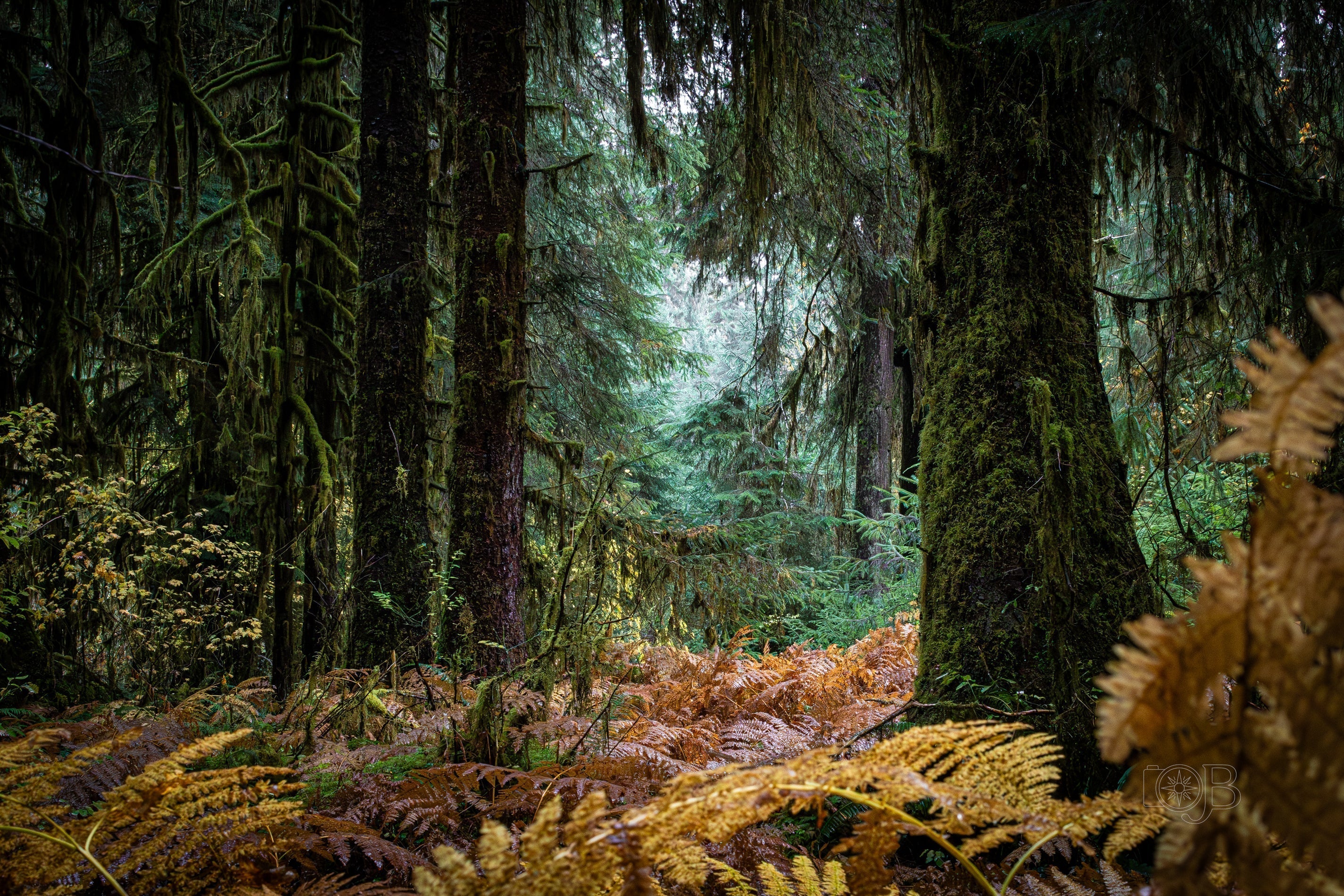
From towering giants to the tiniest of creatures - the ancient Sitka spruce, Western hemlock, and Bigleaf maple forests are draped in hanging moss, ferns carpeting the forest floor, and an understory rich with fungi, lichens, and slugs — it’s a place that sparks imagination, creativity, and releases the stress we carry around in our everyday lives.

Because of this, there’s been a growing desire to experience the outdoors and visit the national parks — the Hoh Rainforest attracts hundreds of thousands of visitors each year — and with that, comes a growing responsibility to protect these fragile ecosystems. Trails like the famed Hall of Mosses loop, located next to the Hoh Rainforest Visitor Center are popular for a reason; showcasing lush, green temperate rainforest with moss-draped limbs and dense understory growth with an accessible trail for most everyone to complete.
The Hall of Mosses trail is an easy, less than 1-mile loop featuring iconic moss-draped maple trees and old-growth Sitka spruce. It’s popular and an accessible way for people of varying hiking levels to experience the Hoh Rainforest. Part of the loop does include stairs and 100 feet of elevation gain.
Wildlife viewing that can include Roosevelt elk, banana slugs, tiny birds, and even bears. No pets are permitted on the trail.


“Leave No Trace” - It’s important to stay on the designated trail to prevent damage to the delicate ecosystem found on the ground and moss-covered trees.
Find more information here: Visiting the Hoh Rainforest

The Impact of Too Many Feet Off the Trail
While outdoor experiences are on the rise, many people also want to record this moment with a selfie or stylistic photo to get views and likes on their posts. The rise of travel influencers have seen more people visiting sites like this for content and views to grow their channels, but leave the trail to get a “better angle” than someone else. Most travel content emphasizes how magical and otherworldly this place is, with the hope of seeing a fairy or gnome cottage along the way.

While you might not see the image clearly taken off the trail, the evidence is clear. Footprints in the mud, smoothed spots where people have repeatedly touched the logs and roots, and disappearing green spaces. Areas of the trail have been roped off with signs created to show the Before and After effects of people leaving the path.
The trail is certainly one to be experienced but remember that after you leave, the forest and everything depending on it still needs to survive.

A stylized portrait beneath a moss-covered limb. A moment crafted for likes and shares.
According to outdoor and hiking groups tracking visitation impacts, this behavior contributes to the widening of the trail and the creation of “social trails” that weren’t part of the original route. These side trails damage the delicate moss and fungi that are characteristic of the forest floor and can take years to recover once trampled. This act may seem harmless — just one step off the trail for a better angle. But multiplied by thousands of visitors, those small steps become visible scars.
These sensitive plants and fungi aren’t just decorative backdrops; they are integral parts of the rainforest ecosystem. Mosses and lichens help retain moisture that sustains the towering old-growth trees, and a rich community of fungi plays essential roles in nutrient cycling and soil health. Their loss diminishes both the visual magic of the rainforest and the critical ecological functions that support it.
What often goes unseen in the photograph is what has been damaged beneath it.

Trail Ethics: Leave No Trace and More
The National Park Service encourages all visitors to follow the Leave No Trace principles — guidelines designed to minimize human impact on wild places. Staying on established trails, walking single file, and resisting the urge to wander into untouched vegetation are key parts of this.
Here’s what that looks like in practice on a trail like Hall of Mosses:
• Stay on the path. Trails are routed to protect roots, moss beds, and hidden fungi communities — stepping off can crush fragile life that may take decades to recover.
• Think beyond the photo. Beautiful as the forest is, each off-trail step leaves a footprint on an ecosystem that doesn’t easily heal.
• Travel with awareness. Conserve the silence, avoid loud noises, and carry out anything you packed in — these small gestures keep the forest’s spirit intact.
Ethics on the trail are not about restriction. They are about reverence.

A Deeper Reward
Walking a trail like Hall of Mosses with intention — slowing your pace, observing the tiny ecosystems on logs and stones, listening to the whisper of rainfall through the canopy — offers a richer experience than a quick snapshot ever could.
These forests have evolved over millennia, shaped by wind, rain, and quiet growth. Our time within them, measured in hours or days, is momentary. But the impacts of how we move through those forests can last much longer.
Being present, respectful, and mindful doesn’t just protect these ancient mossy halls — it deepens our own connection to them. In preserving places like the Hoh Rainforest, we preserve moments worth remembering, tiny communities of mosses, fungi, lichens, and slugs, and landscapes that still take our breath away.
While I support being curious and forging new paths, there’s a level of respect and stewardship we should recognize for the living landscape. If we recklessly destroy the path we’re on, what will be left for the person following behind us? Will you choose the angle that earns attention or the action that ensures the Hall of Mosses trail will continue to breathe for generations after us?


Leave a comment
This site is protected by hCaptcha and the hCaptcha Privacy Policy and Terms of Service apply.